






Surgical treatment of obesity
Surgical treatment of obesity is a set of procedures aimed at weight loss in patients with severe forms of obesity who do not respond to conservative treatment methods.
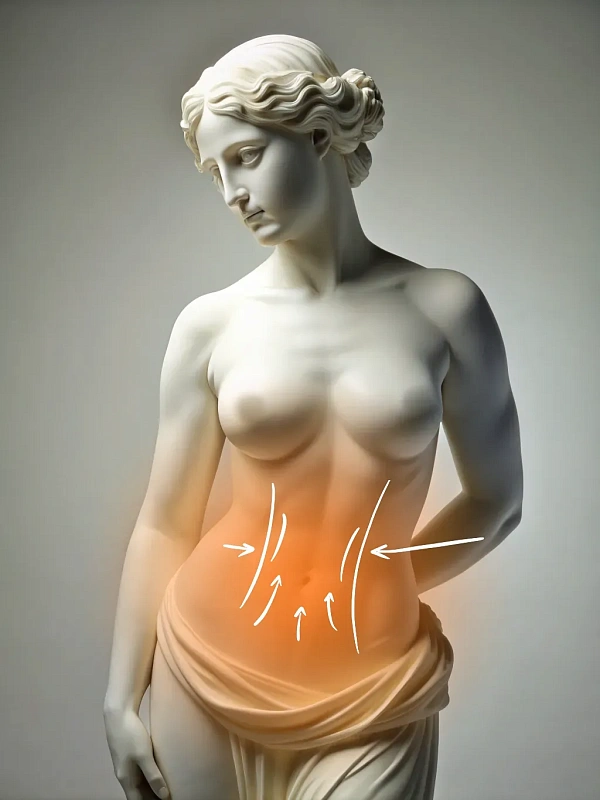
Obesity is a chronic disease that can lead to the development of many complications: diabetes mellitus, hypertension, cardiovascular diseases and disorders of the musculoskeletal system.
Obesity is important to treat, as it significantly reduces the quality of life and increases the risk of mortality. Surgical treatments for obesity, such as gastric bypass surgery, gastroplasty and gastric banding, help patients achieve sustained weight loss. It is important to understand that surgery requires a comprehensive approach, including lifestyle changes, diet and regular medical supervision.
Clinical analysis of blood and urine Biochemical blood analysis Ultrasound of the abdominal cavity ECG and cardiologist consultation Consultation with an endocrinologist, nutritionist and psychologist.
There are several methods of surgical treatment of obesity: Gastric bypass is a procedure in which a small gastric sac is created and connected directly to the small intestine, bypassing the main part of the stomach and duodenum. This limits the amount of food and reduces the absorption of calories. Gastroplasty is a method in which the stomach is divided into two parts using braces, creating a small gastric sac, which limits the amount of food that the patient can consume at one time. Gastric banding — an adjustable ring (bandage) is installed around the upper part of the stomach, which creates a small gastric sac. The patient is quickly satiated by eating less food.
Laparoscope with high-resolution video camera Surgical instruments for laparoscopic operations Adjustable gastric bandages (for bandaging).
After surgical treatment of obesity, the patient spends from 2 to 7 days in the hospital, depending on the method and state of health. In the first weeks after surgery, it is recommended to follow a liquid and soft diet, gradually switching to more solid foods. Full recovery takes from 4 to 6 weeks. Regular consultations with a nutritionist and a psychologist help you adapt to new eating habits and lifestyle.
Benefits
Significant weight loss
The procedures allow you to achieve a stable decrease in body weight.
Improving overall health
Weight loss reduces the risk of developing cardiovascular diseases, diabetes and other complications.
Long-term result
Surgical treatment provides long-term improvement in the quality of life.
Improving self-esteem
Patients note an improvement in self-esteem and general psychological state after surgery.
Frequently Asked Questions
How soon can I get back to work after surgery?
Is it possible to get pregnant after surgical treatment of obesity?
What kind of diet should be followed after surgery?
Didn't find an answer to your question?
You can describe your problem in detail and ask a question to the doctor. He will answer you and help you find a solution
Врачи
Смотреть всех врачей
Candidate of Medical Sciences. General Surgeon
Similar referral activities
Gastric bypass surgery
Gastric bypass surgery is the surgical treatment of obesity by reducing the volume of the stomach and changing the way food passes through the digestive system.
Laparoscopic longitudinal gastric resection
Laparoscopic longitudinal gastric resection is a surgical procedure aimed at reducing the volume of the stomach to treat obesity. It helps to significantly reduce weight and improve health.
Laparoscopic cholecystectomy
This is a minimally invasive operation aimed at removing the gallbladder through small incisions in the abdominal cavity using laparoscopic equipment.
Laparoscopy of inguinal hernia
The "gold standard" of surgical removal of inguinal hernia.
Laparoscopy of an umbilical hernia
A low-traumatic operation aimed at eliminating a hernia in the navel area.
Treatment of hernias of the anterior abdominal wall
Surgical removal of pathological protrusion of internal organs through weak spots in the muscle tissue of the abdominal wall.