






Laparoscopic cholecystectomy
This is a minimally invasive operation aimed at removing the gallbladder through small incisions in the abdominal cavity using laparoscopic equipment.
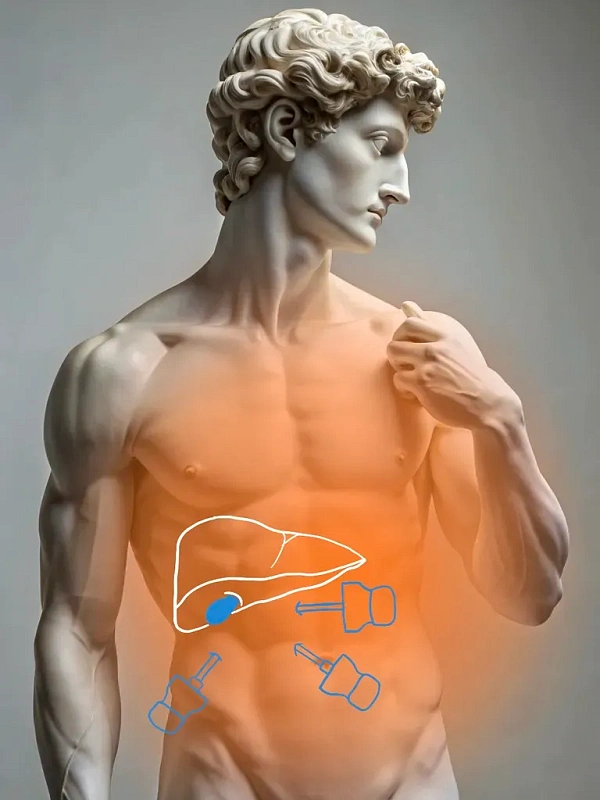
The main indication for laparoscopic cholecystectomy is gallstone disease, in which stones (concretions) form in the gallbladder. They can cause acute inflammatory processes, lead to blockage of the bile duct and acute cholecystitis.
Stones can cause severe pain in the right hypochondrium, nausea and vomiting, especially after eating fatty foods. If left untreated, this pathology can lead to serious complications such as perforation of the gallbladder wall, peritonitis and sepsis. Cholelithiasis affects up to 10-15% of the adult population, and its frequency increases with age. The risk of developing the disease also increases with obesity, pregnancy, diabetes mellitus and metabolic disorders. The advantage of laparoscopy is its minimal invasiveness. Compared with traditional cholecystectomy, which required a large incision and long-term recovery, laparoscopy significantly reduces surgical injuries and allows you to return to normal life faster.
Ultrasound of the abdominal cavity; General and biochemical blood tests; An ECG to assess the state of the cardiovascular system; Fluorography; EGDS (esophagogastroduodenoscopy); Ultrasound of the veins of the lower extremities to eliminate the risk of thromboembolism; Consultation with a therapist, anesthesiologist and surgeon.
Laparoscopic cholecystectomy is performed under general anesthesia. A laparoscope equipped with a miniature camera and instruments are inserted through three small incisions on the abdominal wall. First, the surgeon examines the abdominal cavity, then proceeds to isolate the neck of the gallbladder, bile duct and artery. These structures intersect, and the gallbladder itself separates from the liver. After that, the gallbladder is removed through an incision in the navel area, and the remaining areas are examined for bleeding and treated. The operation usually takes 30-40 minutes, but its duration may vary depending on the complexity of the case.
A laparoscope is a thin tube with a camera and a light source. Surgical manipulators. Electrocoagulants.
After laparoscopic cholecystectomy, the patient usually spends 1-2 days in the hospital. During the first weeks, it is necessary to follow a gentle diet that excludes fatty, fried and spicy dishes. Patients can return to light physical activity after 1-2 weeks, and to full—fledged physical activity after 4-6 weeks. Full recovery takes about 6 weeks.
Benefits
Minimal invasiveness
Less trauma and a faster recovery period compared to traditional surgery.
Fast recovery
Patients can return to normal life within a few days after surgery.
Minimal postoperative pain
A smaller volume of incisions provides less pronounced pain and discomfort.
Lower risk of infections
A smaller wound area reduces the likelihood of infection.
Frequently Asked Questions
How painful is the procedure?
What are the limitations after surgery?
Is it possible to live without a gallbladder?
Didn't find an answer to your question?
You can describe your problem in detail and ask a question to the doctor. He will answer you and help you find a solution
Врачи
Смотреть всех врачей
Candidate of Medical Sciences. General Surgeon
Similar referral activities
Gastric bypass surgery
Gastric bypass surgery is the surgical treatment of obesity by reducing the volume of the stomach and changing the way food passes through the digestive system.
Laparoscopic longitudinal gastric resection
Laparoscopic longitudinal gastric resection is a surgical procedure aimed at reducing the volume of the stomach to treat obesity. It helps to significantly reduce weight and improve health.
Laparoscopy of inguinal hernia
The "gold standard" of surgical removal of inguinal hernia.
Laparoscopy of an umbilical hernia
A low-traumatic operation aimed at eliminating a hernia in the navel area.
Treatment of hernias of the anterior abdominal wall
Surgical removal of pathological protrusion of internal organs through weak spots in the muscle tissue of the abdominal wall.
Treatment of hiatal hernia
A set of measures aimed at eliminating hernias that occur when the abdominal organs are displaced into the chest.