






Headache Treatment
An individual approach to the treatment of headaches, aimed at eliminating symptoms and identifying the root cause.
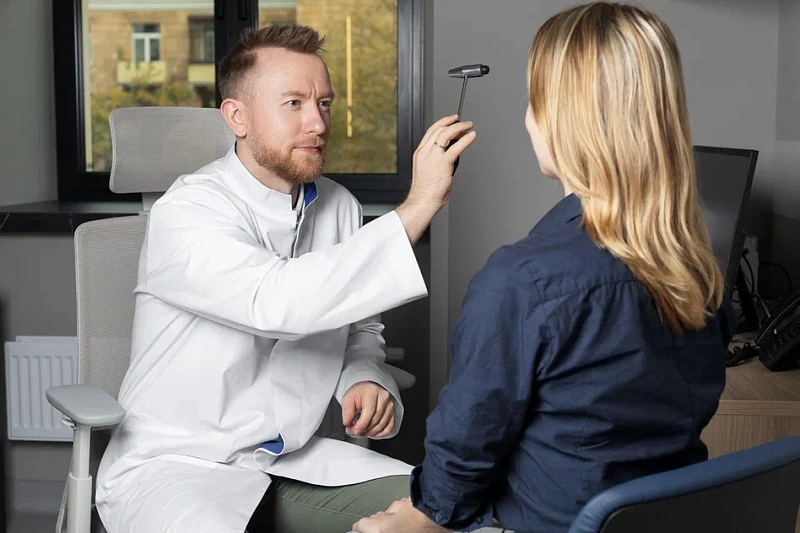
A headache is not just an unpleasant symptom, but an organism's signal of possible disorders. From stress and muscle tension to serious illnesses, the causes of headaches are diverse.
There are many forms of headache, including the two most common - migraine and tension headache. In addition to these forms, there is a wide variety of secondary headaches. Each case is unique, so for effective treatment it is necessary to determine its type. Headache treatment may include medication, physiotherapy, and, if necessary, treatment of the underlying disease. This approach allows not only to relieve pain, but also to prevent its recurrence.
Benefits
Individual approach
Treatment is prescribed taking into account the characteristics of the patient's health.
Comprehensive diagnostics
Modern diagnostic methods allow you to accurately determine the type of headache.
Effective prevention
Modern approaches allow us to achieve lasting results.
Prevention of relapses
Well-chosen therapy, lifestyle adjustments, and regular checkups help prevent repeat episodes.
Diagnosis of headache
Diagnosis of headache requires an integrated approach, including instrumental studies such as MRI and CT scans of the brain to exclude organic causes, ultrasound Dopplerography of the vessels of the neck and head to assess blood flow. In addition, the doctor may prescribe laboratory tests: general and biochemical blood tests, hormonal imbalance tests, etc.
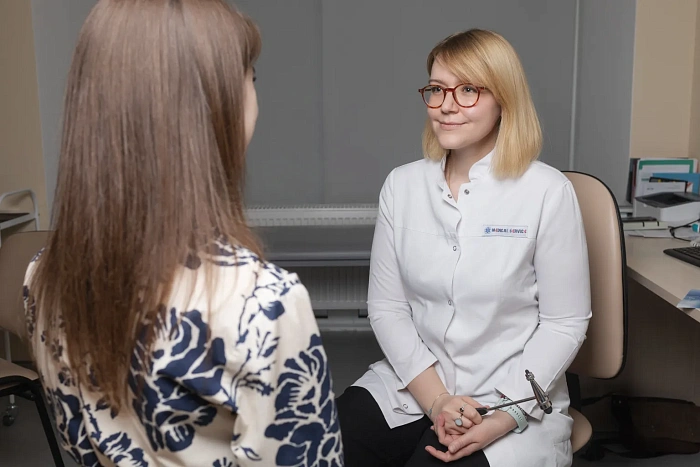
Headache Treatment
The treatment of a headache depends on its nature and severity. The doctor can choose a drug therapy. In addition, treatment may include non-medicinal methods: massage, physiotherapy, biofeedback and postisometric relaxation, as well as physical therapy, work with a psychologist.
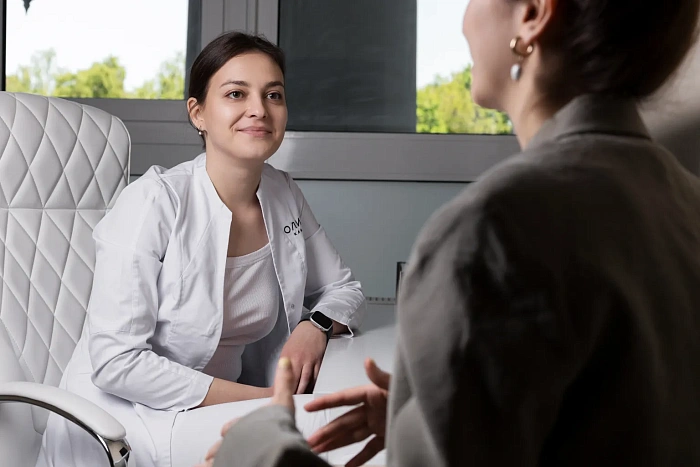
Recovery
After treating an acute headache, it is important to follow the doctor's recommendations to prevent relapses. The patient should avoid stress and overload, maintain a work/rest balance, exercise regularly, monitor blood pressure levels, and undergo routine checkups.

Frequently Asked Questions
How often do I need to see a doctor for headaches?
Is it possible to cure a headache forever?
What should I do if headache pills don't help?
Didn't find an answer to your question?
You can describe your problem in detail and ask a question to the doctor. He will answer you and help you find a solution
Врачи
Смотреть всех врачей
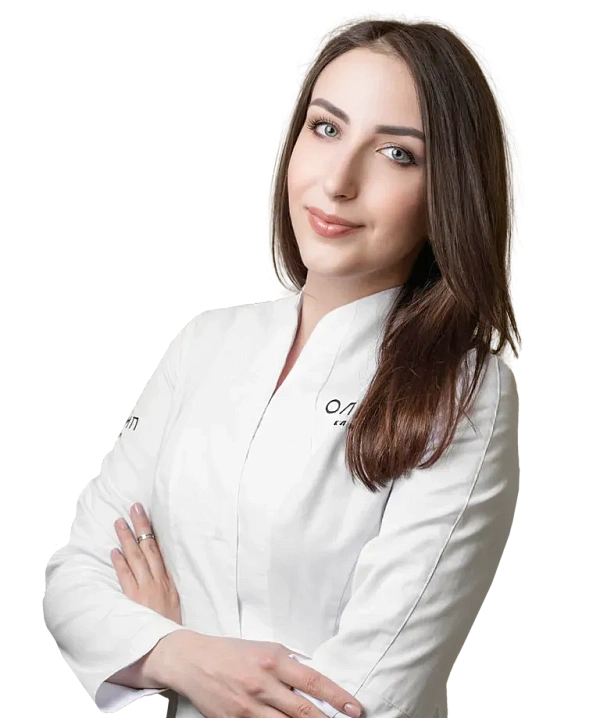
A neurologist, a doctor of physical and rehabilitation medicine, a botulinum therapist.
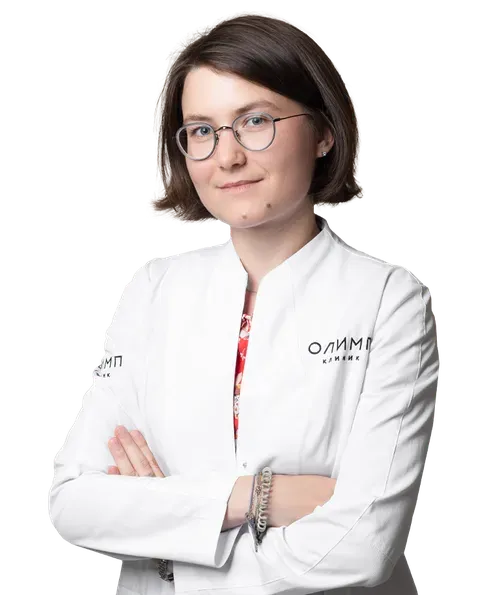
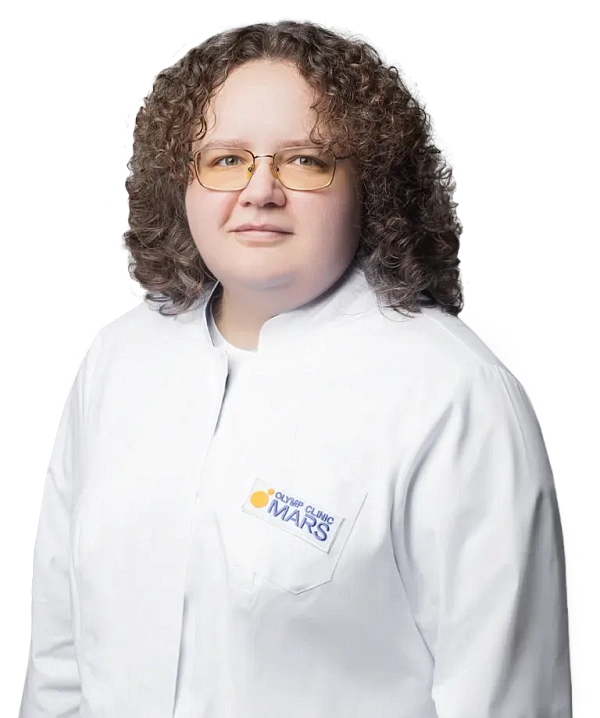
Neurologist, functional diagnostics doctor (stimulation and needle EMG)

Candidate of Medical Sciences. A neurologist.
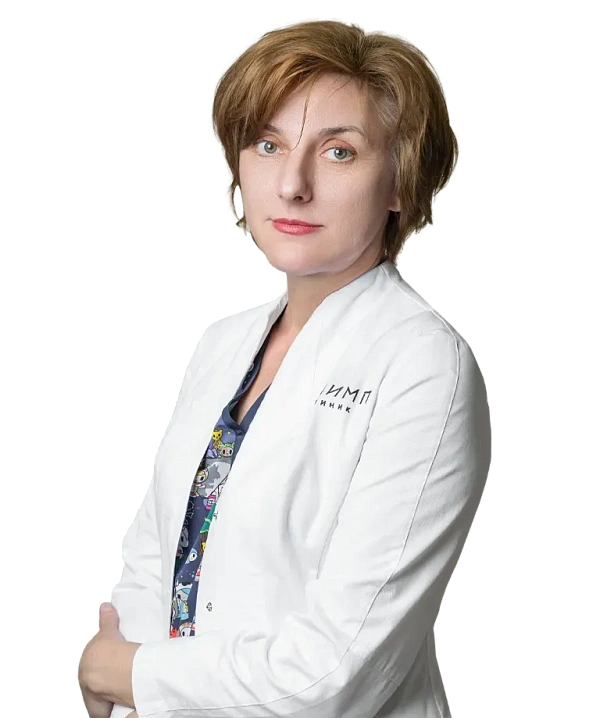
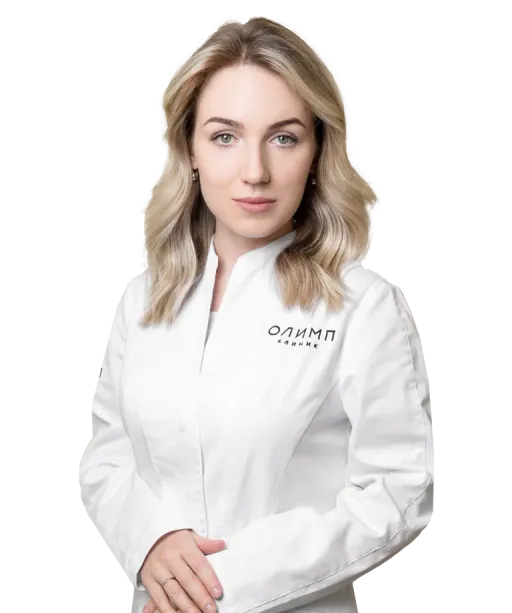
A neurologist, a doctor of functional diagnostics.
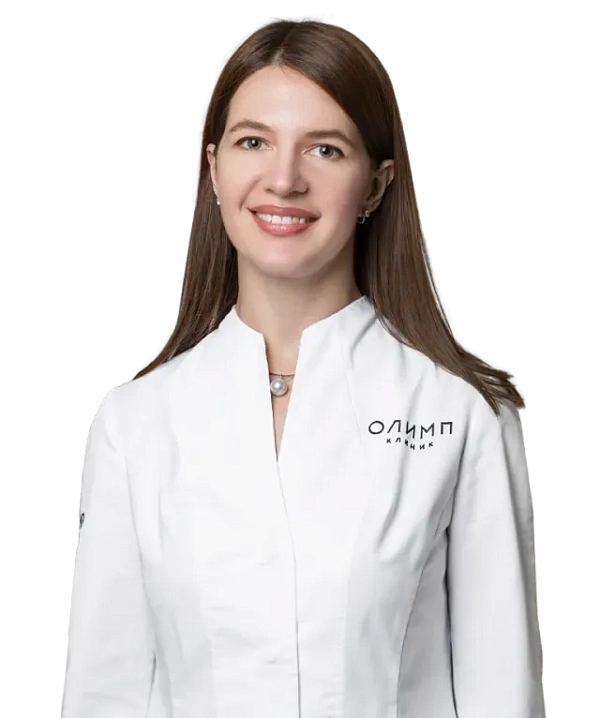
Neurologist, cephalgologist, botulinum therapist.
Indications and contraindications
Indications
Chronic headache
Frequent or persistent headaches that are not amenable to conventional treatments.
Migraine
Bouts of intense headache, accompanied by nausea, vomiting, sensitivity to light and sound.
Tension headache
A frequent headache associated with stress and tension.
Headache with neurological symptoms
Headache accompanied by weakness, numbness, speech or vision problems.
Expected effect
Reducing the frequency of headaches
Comprehensive treatment helps to reduce the intensity and frequency of headache attacks.
Eliminating the causes of headaches
Long-term improvement of the patient's condition.
Improving the quality of life
Improvement of the patient's well-being and mood, increased efficiency.
Prevention of relapses
Preventing repeated episodes of headache.
Similar referral activities
Botulinum therapy for neurological diseases
This is a treatment method based on the injection of botulinum toxin type A into certain muscles to temporarily block nerve impulses, reduce muscle spasms and relieve pain.
Migraine Treatment
Treatment aimed at reducing the frequency and intensity of migraine attacks. It may include drug therapy, behavioral and cognitive techniques, as well as recommendations for lifestyle and nutrition changes.
Neurologist's appointment
Specialists diagnose neurological symptoms. Among the disorders of NS, it is customary to distinguish several groups of clinical signs — pain syndrome, motor and/or sensory disorders, coordination disorders, pelvic disorders and general symptoms.