






Treatment of uterine fibroids
Uterine fibroids can cause unpleasant symptoms, as well as reduce fertility. Modern treatment methods make it possible to remove fibroids, preserving the uterus and reproductive function,
The risk of developing uterine fibroids during life is about 80%, and most often it occurs in women aged 30 to 50 years, during the middle reproductive age.
Fibroids can be accompanied by copious and painful menstruation, pelvic pain, frequent urination and fertility problems. Fibroids rarely turn into sarcoma, a malignant tumor. We offer modern methods of treatment of uterine fibroids, which avoid complete removal of the organ. Laparoscopy and hysteroresectoscopy are minimally invasive interventions aimed at removing myomatous nodes with minimal damage to surrounding tissues.
Для хирургического лечения миомы матки используются: Лапароскоп и гистерорезектоскоп с видеокамерой Хирургические инструменты (скальпели, щипцы, коагуляторы)
Перед хирургическим лечением миомы матки необходимо: Пройти консультацию с гинекологом и хирургом Провести общие анализы крови и мочи Выполнить ультразвуковое исследование (УЗИ) или магнитно-резонансную томографию (МРТ) для оценки состояния миом Выполнить диагностическую гистероскопию
Хирургическое лечение миомы матки проводится с использованием анестезии. Лапароскопия позволяет получить доступ к миоматозным узлам через небольшие проколы на передней стенке живота. С помощью лапароскопа — тонкого инструмента с видеокамерой — хирург находит и удаляет миоматозные узлы под визуальным контролем. Это позволяет сохранить орган и снизить риск рецидива миомы. Гистерорезектоскопия используется для удаления миом, расположенных внутри полости матки. Врач вводит гистерорезектоскоп через влагалище в полость матки и удаляет миоматозные узлы, не повреждая при этом целостность матки. Эта процедура позволяет избежать рубцевания эндометрия и сохранить способность к зачатию.
После хирургического лечения миомы матки важно следовать рекомендациям врача для успешного восстановления. В течение 4-6 недель необходимо воздерживаться от интенсивных физических нагрузок, избегать посещения сауны, бани и солярия, а также не допускать переохлаждения.
Preparation for organ-preserving treatment of uterine fibroids
During the consultation, the gynecologist-surgeon examines the patient. A comprehensive diagnosis is prescribed: blood and urine tests, a vaginal swab for bakposev. Ultrasound of the pelvic organs and diagnostic hysteroscopy are also performed. Based on the data obtained, the doctor selects the type of operation and determines the time of its implementation. Usually minimally invasive surgery is performed in the first half of the menstrual cycle.

Surgery Surgical treatment of uterine fibroids
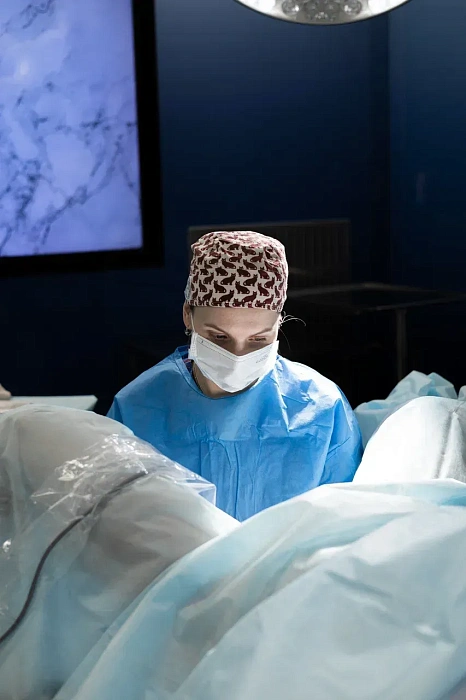
Surgical treatment of uterine fibroids is performed using spinal or general anesthesia. Laparoscopy gives access to the foci of fibroids through micro-punctures on the anterior wall of the abdomen. With the help of a laparoscope, a gynecological surgeon finds a tumor and removes myomatous nodes under visual control. Hysteroresectoscopy is performed using a hysteroresectoscope, which is inserted into the uterine cavity through the vagina. The doctor carefully examines the organ, studying the localization, size and shape of the altered tissues, while preserving the uterus.
Rehabilitation after organ-preserving treatment for uterine fibroids
After treatment, it is important to follow the prescriptions and recommendations of a gynecologist. It is necessary to temporarily refrain from visiting the sauna, bathhouse, solarium, avoid hypothermia, control menstruation and note the soreness of secretions. Usually, the next step after minimally invasive surgery is conservative treatment in order to prevent recurrence of the disease.

Frequently Asked Questions
What fibroids treatment methods are available in your clinic?
Do uterine fibroids always need to be operated on?
How long after fibroids are removed can pregnancy be planned?
How long does the effect last after treatment?
What are the alternative treatments for fibroids?
How long is the recovery period?
Didn't find an answer to your question?
You can describe your problem in detail and ask a question to the doctor. He will answer you and help you find a solution
Врачи
Смотреть всех врачей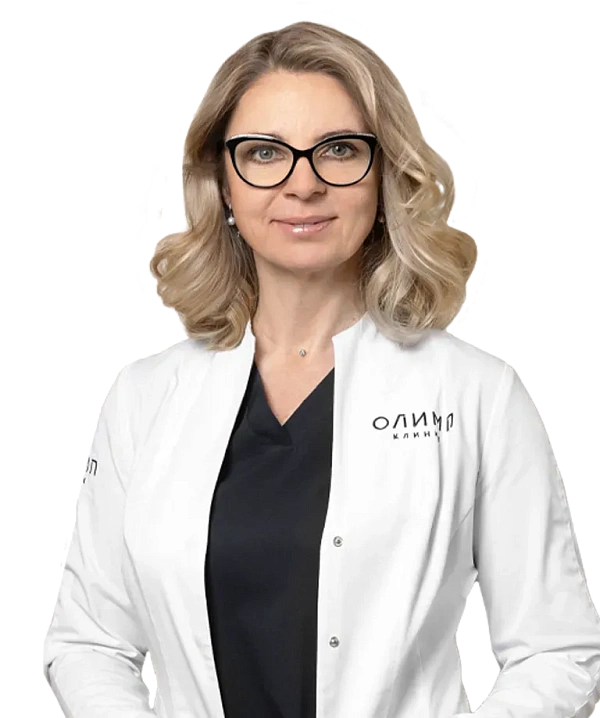
Doctor of the highest category, surgical obstetrician-gynaecologist specialising in anti-age and bioregenerative medicine, oncologist
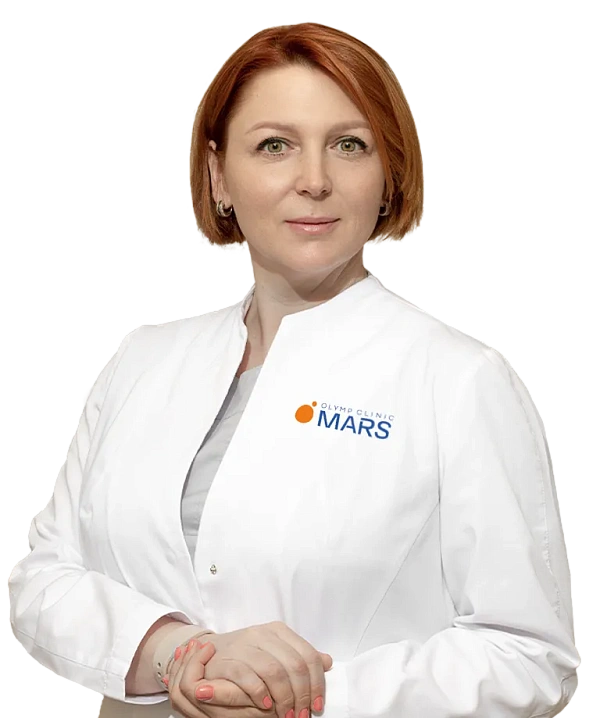
Candidate of Medical Sciences. Gynecologist-obstetrician. Head of the gynecology department.

Indications and contraindications
Indications
Symptomatic fibroids with pain syndrome, cervical localization of the myomatous node
The appearance of a benign tumor in the cervix
Pain in the lower abdomen, copious prolonged menstruation
Uncomfortable sensations during menstruation
Large tumor size
Fibroids, larger in size than a 12-week pregnant uterus
The presence of a submucous node
Benign formation under the uterine mucosa
The presence of a subserous fibroid node on the pedicle
A subserous node connected to the body of the uterus by a pedicle
Infertility, habitual miscarriage
Inability to conceive and bear a child at childbearing age
Expected effect
Reduction of symptoms
Reducing pain and normalizing the menstrual cycle contribute to improving overall well-being.
Preservation of reproductive function
Treatment allows you to save the uterus and, therefore, the possibility of pregnancy in the future.
Getting rid of fibroids
The goal of treatment is the complete disappearance of the tumor.
Prevention of relapses
The use of modern treatment methods is aimed at minimizing the risk of recurrence of fibroids.
Similar referral activities
Treatment of vulvar diseases
Vulvar diseases, including chronic fissures, sclerotrophic lichen and other dermatological conditions. We offer modern and effective treatment methods aimed at reducing symptoms and restoring the normal condition of the vulva skin.
News & Media
All news and mediaThe III All-Russian Progress Conference "Aesthetic Gynecology and Perineology: balance of beauty and functionality" was held in Moscow
The event lasted from 24 to 26 May, and the theme was Aesthetic gynecology and perineology: the balance of beauty and functionality.
What to do with urinary incontinence after childbirth?
Find answers to your questions and feel more confident.
What is important for every woman to know about the cervix?
Everything you need to know about the cervix is now collected in one article on the website of the "Daughter-mother".
Why should your mother visit a gynecologist?
We all understand why girls should visit a gynecologist. This specialist will help solve various problems related to women's health — from pregnancy management to the prevention of sexually transmitted diseases. However, over time, when women get out of reproductive age, they begin to contact a gynecologist less and less often, mistakenly believing that they no longer need his help. But a gynecologist is not only about reproductive health, he can help in solving many other issues related to the female body. So what questions can your mother ask a gynecologist about?
How to strengthen the pelvic floor muscles?
Intimate problems are often hushed up, it is awkward to talk about them even with a doctor. However, if the issue concerns the health of the pelvic floor, it is better not to waste time and immediately consult a doctor. After all, problems with this area can lead to very unpleasant consequences.
Uterine bleeding — is it worth sounding the alarm?
Abnormal uterine bleeding is when the bleeding goes beyond the normal menstrual cycle. The discharge may be more abundant or last longer. The "normal" menstrual cycle is different for everyone. But menstruation shouldn't be a problem for you.: a serious condition that prevents you from engaging in any activity, forces you to skip work or study. In the article we will tell you how to distinguish abnormal uterine bleeding.
Stress-free menopause: how hormone therapy helps women
With age, women experience a natural decrease in reproductive function, known as menopause. This process takes a long time and is accompanied by changes in the physical and emotional state, hormonal restructuring and complete cessation of menstruation. On average, menopause (the so-called last menstruation in a woman's life) occurs at the age of 45-55 years, but its precursors may appear earlier, and the process of "restructuring" the body can last for several years. A decrease in the level of female sex hormones leads to unpleasant symptoms that not only worsen the quality of life, but can also contribute to the development of serious diseases. Although menopause is not a disease and does not require treatment, there are methods to improve well-being and prevent complications. One of these methods is menopausal hormone therapy (MGT). The decision on the need and time of MGT is made by a gynecologist. To understand whether such therapy is necessary for all women, it is important to understand the nature and characteristics of menopause.