






Nissen Fundoplication
Nissen fundoplication is the surgical treatment of gastroesophageal reflux disease (GERD) by strengthening the lower esophageal sphincter. The procedure helps to prevent the reflux of gastric contents into the esophagus and alleviate the symptoms of reflux.
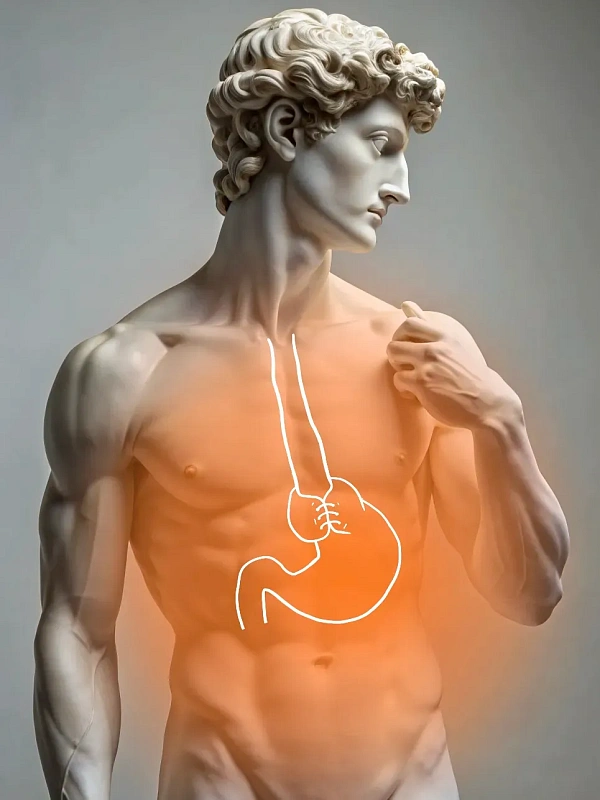
Gastroesophageal reflux disease is a disease characterized by chronic heartburn, belching and chest pain. Throwing stomach contents into the esophagus can also lead to esophagitis (inflammation of the esophagus).
Nissen fundoplication is the most common surgical procedure for the treatment of GERD. It provides long-term improvement of the patient's condition by reducing the frequency and intensity of symptoms. During the procedure, the doctor wraps the bottom of the stomach around the lower esophageal sphincter to strengthen the sphincter, preventing the reflux of gastric contents.
Clinical analysis of blood and urine Esophagogastroduodenoscopy (EGDS) Esophageal manometry Daily pH-metric Consultations with a therapist and an anesthesiologist.
The procedure is performed under general anesthesia. The doctor makes several small incisions in the abdominal cavity and inserts a laparoscope and special instruments. The bottom of the stomach wraps around the lower esophageal sphincter 360 degrees and is fixed with sutures, creating a cuff that will prevent the contents of the stomach from being thrown back into the esophagus. The procedure lasts about 2-3 hours.
Laparoscope with video camera Surgical instruments for laparoscopic operations
Recovery after Nissen fundoplication usually takes 2-4 weeks. Patients are advised to follow a diet, avoid physical exertion and regularly visit a doctor to monitor their condition.
Benefits
High efficiency
The procedure significantly reduces the symptoms of GERD in most patients.
Minimal invasiveness
The laparoscopic method provides less trauma and rapid recovery.
Long-term result
Strengthening the lower esophageal sphincter improves the patient's condition for a long time.
Reducing dependence on medicines
Patients can reduce or completely stop taking reflux medications.
Frequently Asked Questions
What side effects are possible after surgery?
Is it possible to repeat the operation in case of a relapse?
When can I return to a normal diet?
Didn't find an answer to your question?
You can describe your problem in detail and ask a question to the doctor. He will answer you and help you find a solution
Врачи
Смотреть всех врачейSimilar referral activities
Gastric bypass surgery
Gastric bypass surgery is the surgical treatment of obesity by reducing the volume of the stomach and changing the way food passes through the digestive system.
Laparoscopic longitudinal gastric resection
Laparoscopic longitudinal gastric resection is a surgical procedure aimed at reducing the volume of the stomach to treat obesity. It helps to significantly reduce weight and improve health.
Laparoscopic cholecystectomy
This is a minimally invasive operation aimed at removing the gallbladder through small incisions in the abdominal cavity using laparoscopic equipment.
Laparoscopy of inguinal hernia
The "gold standard" of surgical removal of inguinal hernia.
Laparoscopy of an umbilical hernia
A low-traumatic operation aimed at eliminating a hernia in the navel area.
Treatment of hernias of the anterior abdominal wall
Surgical removal of pathological protrusion of internal organs through weak spots in the muscle tissue of the abdominal wall.