






Consultation with a surgeon
На приеме врач осматривает пациента, анализирует его жалобы и историю болезни. Это первый этап в диагностике и планировании лечения хирургических заболеваний.
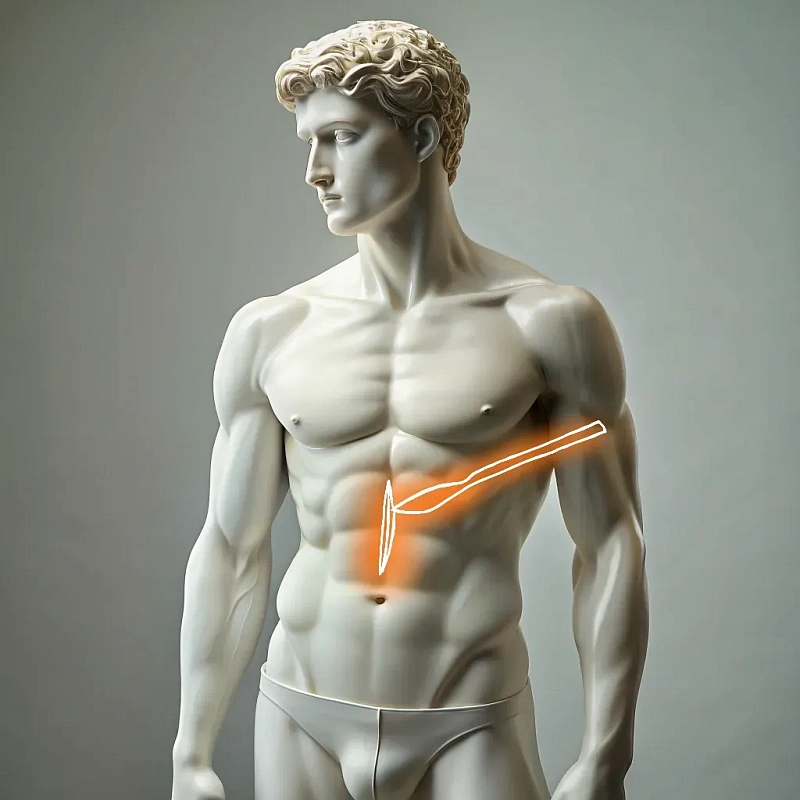
На ранних этапах многие заболевания легче лечить, и именно хирург может определить, требуется ли операция или можно попробовать другие методы.
Consultation with a surgeon may be necessary for acute appendicitis, hernias, varicose veins, gallbladder diseases, tumors and injuries. It is worth making an appointment with a surgeon if you experience acute or chronic pain, swelling, neoplasms, bleeding and other pathological changes. The surgeon also advises patients on preparation for surgery, explains possible risks and complications, and develops an individual treatment and rehabilitation plan.
The consultation begins with a detailed interview of the patient about his complaints and medical history. The doctor performs a physical examination, may prescribe additional tests or instrumental examinations, such as ultrasound, MRI or X-ray, to confirm the diagnosis.
It is important to follow the doctor's recommendations, attend repeated consultations to monitor the condition and adjust treatment.
Before consulting a surgeon, it is recommended: Collect the results of previous studies and analyses. Prepare a list of medications and dietary supplements. Write down all the symptoms and their duration.
To consult a surgeon , the following instruments are used to conduct a physical examination. Ultrasound machines for the examination of organs and tissues. Computer tomographs (CT) and magnetic resonance imaging (MRI).
Benefits
Professionalism and experience
The opportunity to get the opinion of a highly qualified specialist on your disease.
Detailed information
Full understanding of all aspects of the upcoming surgery and recovery period.
Building trust
The opportunity to establish contact with the doctor who will perform the operation.
Individualization of treatment
Selection of a treatment strategy taking into account the patient's health characteristics.
Preparation
Before the consultation, it is recommended to collect all available medical documents, including the results of tests, examinations and information about previous operations and diseases.

Consultation with a surgeon
The doctor conducts an examination, examines medical documentation, discusses complaints, medical history with the patient and answers questions. If necessary, the surgeon prescribes laboratory and diagnostic tests. After receiving the results, the doctor makes a diagnosis and sets the date of the operation.

Recommendations
It is important to follow the doctor's recommendations, attend repeated consultations to monitor the condition and adjust treatment.

Врачи
Смотреть всех врачей
Oncologist, surgeon, mammologist, ultrasound diagnostics doctor

Indications and contraindications
Indications
Suspected diseases requiring surgical intervention
For example, appendicitis, hernias, gallstone disease.
The need to assess the possibility of surgery
In the presence of chronic diseases or in cases where the question of the expediency of surgery is being decided.
Planning complex surgical procedures
For oncological diseases that require careful planning of the operation.
Consultation on recovery after surgery
For patients who need information about rehabilitation and further care.
Expected effect
Comprehensive assessment of the condition
The patient receives a professional assessment of his health and information about the need for surgical treatment.
Understanding the treatment plan
Discussion of all aspects of the upcoming surgery, including preparation, the procedure itself and the recovery period.
Reducing anxiety
Informing about all stages of the upcoming treatment helps to reduce stress in the patient.
Individual approach
Choosing the optimal treatment method based on the diagnosis and general health of the patient.
Similar referral activities
Consultation with a neurosurgeon
A medical examination aimed at diagnosing diseases and injuries of the nervous system, brain and spinal cord, peripheral nerves and vascular abnormalities requiring surgical intervention.